Chinese

What types of oilers are available for circular knitting machines? Learn about pneumatic, spray, and electronic pulse products.
Pneumatic oilers use compressed air to atomize lubricant into a fine mist, delivering it directly to needles, sinkers, and cam tracks. They are favored for high-speed circular knitting machines because the airflow helps carry oil into tight clearances while also cooling friction points. Most pneumatic units include adjustable pressure regulators and metering valves, so operators can fine-tune oil volume to match yarn type and machine speed.
Spray oilers apply a controlled film of oil through low-pressure nozzles, offering more targeted lubrication than mist systems. They work well for machines running delicate or light-colored yarns, where excess oil can cause staining. Spray units often feature solenoid-controlled timing, allowing intermittent lubrication during specific machine phases and reducing waste.
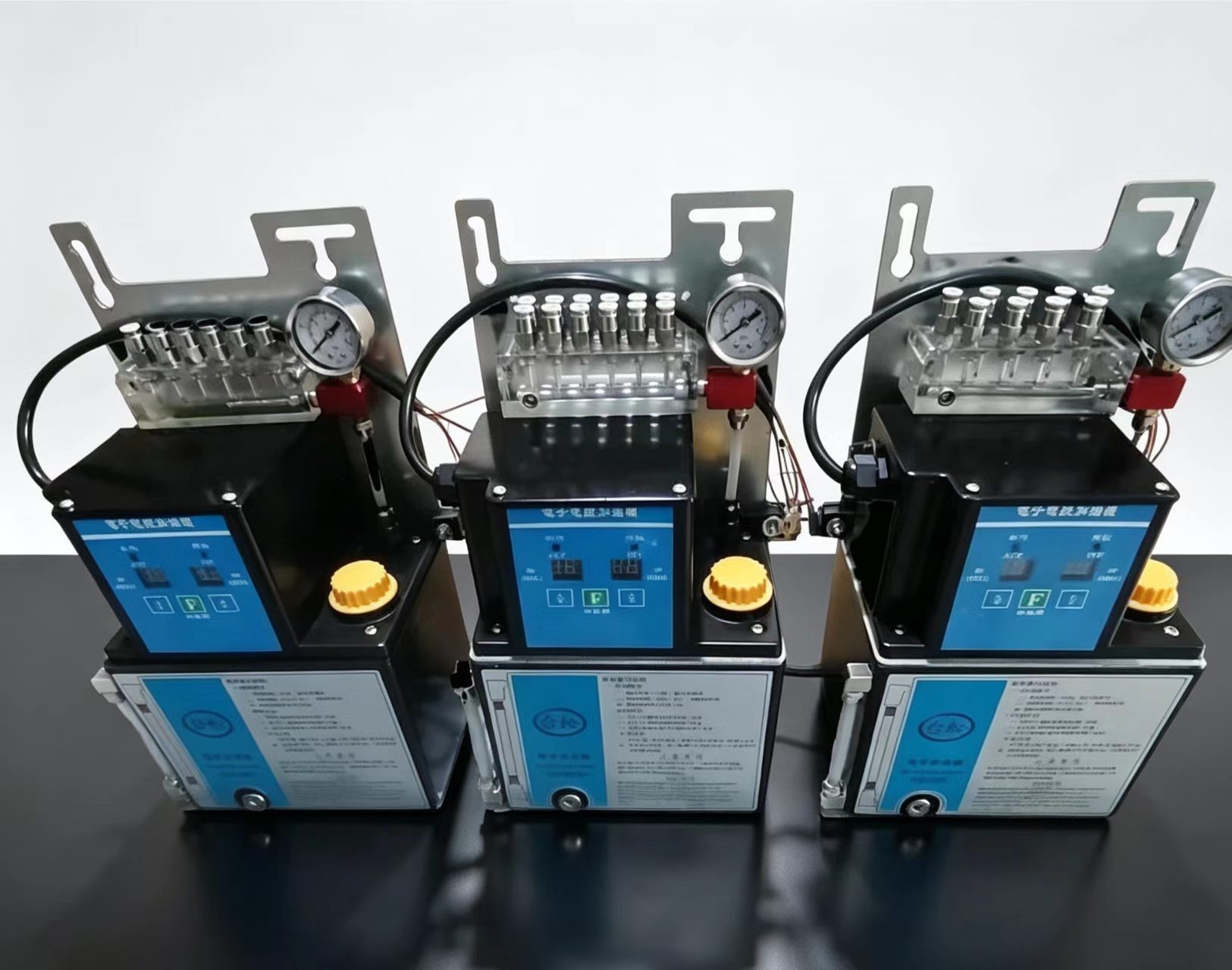
Electronic pulse oilers use microprocessor-controlled pulses to inject precise amounts of oil at set intervals. These systems are increasingly popular in modern knitting mills because they provide consistent, repeatable lubrication with minimal overspray. Many electronic pulse models include digital displays, alarm outputs for low oil levels, and compatibility with central monitoring systems, making them suitable for automated production lines.
When selecting an oiler, consider machine speed, yarn sensitivity, production environment, and maintenance requirements. Pneumatic systems suit high-speed, heavy-duty operation; spray systems offer precision for delicate fabrics; and electronic pulse units deliver accuracy and integration for smart factories. Regular filter checks, nozzle cleaning, and oil quality monitoring will keep any oiler performing reliably over long production cycles.
Beyond these three main categories, some mills also use gravity-fed or wick oilers for older or low-speed machines. These rely on capillary action or a simple drip mechanism to supply oil, and while they lack the precision of electronic systems, they remain a low-cost option for workshops where automation is limited and manual oversight is available.
It is also worth noting that oiler performance depends heavily on the lubricant itself. Viscosity, additive package, and resistance to oxidation all affect how well a system atomizes, sprays, or pulses oil onto critical surfaces. Using an oil that is too thick can clog nozzles and filters, while an oil that is too thin may not provide adequate film strength under high needle loads. Mills should consult machine builders and oil suppliers to confirm compatibility, and should avoid mixing brands or grades without flushing the system first.
Installation and placement matter as much as the oiler type. Nozzles should be positioned to reach the actual friction points without overspraying adjacent areas, and lines should be routed to avoid sharp bends that trap air or debris. For pneumatic and spray systems, maintaining clean, dry compressed air is essential, since moisture and particulate matter can contaminate the lubricant stream and cause uneven delivery. Electronic pulse units benefit from a stable power supply and proper grounding to prevent false signals or missed pulses.
Finally, training operators to recognize early warning signs, such as erratic oil flow, rising air pressure, or visible staining on fabric, can prevent small issues from becoming costly downtime. A simple daily log of oil consumption and system checks often reveals trends before they turn into failures, helping mills get the most from whichever oiler technology they choose.