Chinese

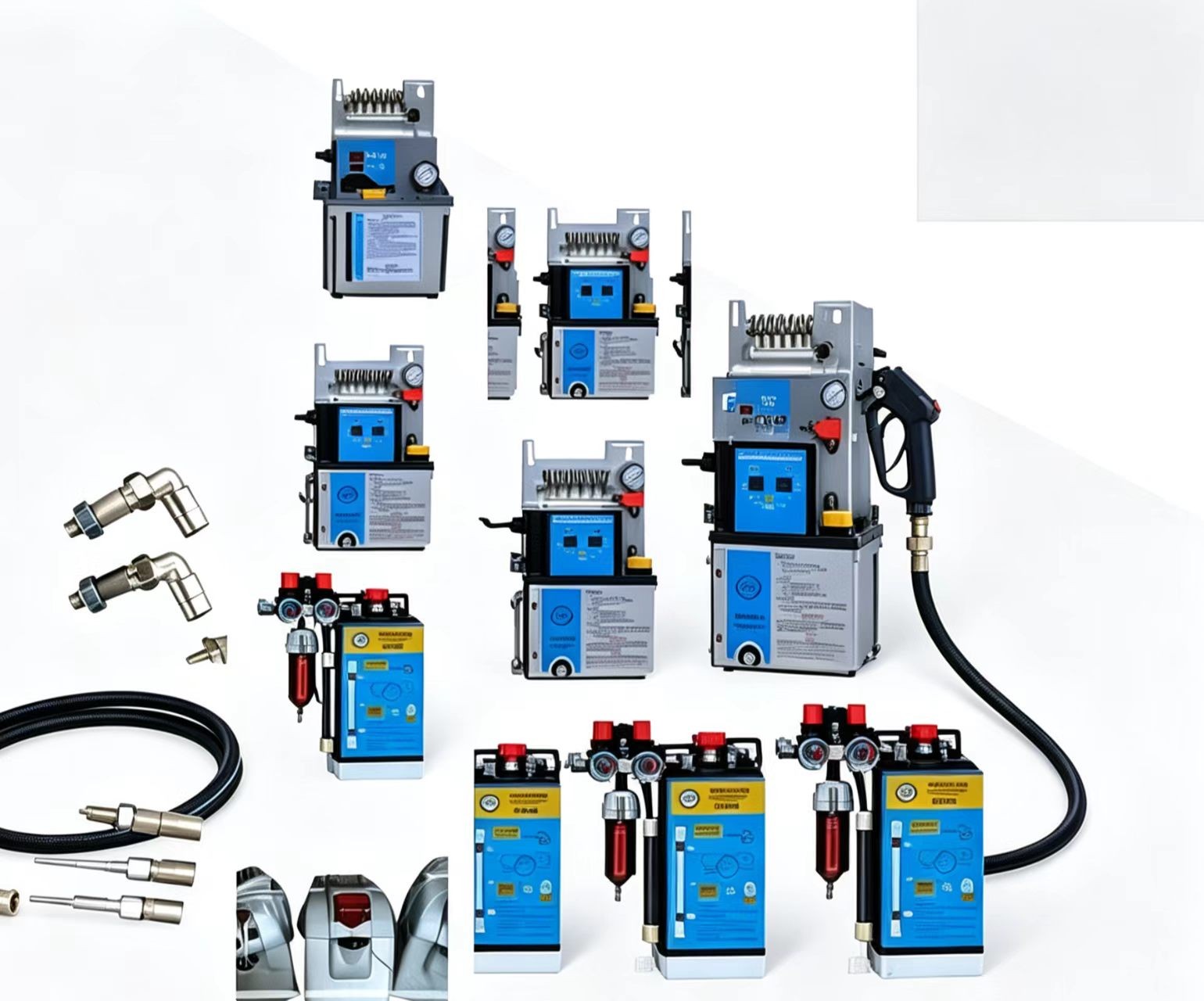
Circular knitting machine air filtration and dust removal accessories: a product selection guide. Once the types and functions of circular knitting machine air filtration and dust removal accessories are clarified, actual selection must also take into account the specific conditions of the production site. First, the dust concentration and fiber types in the workshop should be assessed: cotton spinning workshops are dominated by short fibers and cotton dust, so filter cartridges with a gradient filtration structure and high dust-holding capacity are preferable; chemical fiber or blended yarn workshops may generate more fine particulate matter, so it is advisable to use membrane-coated filter media with higher filtration accuracy. Second, the number and layout of circular knitting machines directly affect the airflow matching of the filtration system. When centralizing dust removal for multiple machines, the total airflow and duct network resistance must be calculated to avoid fly accumulation caused by insufficient suction at individual points.
In addition, the maintenance convenience of the accessories must not be overlooked. The filter cartridge replacement cycle, cleaning method (pulse backflushing or manual cleaning), and the capacity of the waste collection box all affect daily downtime. For continuously operating circular knitting machine production lines, it is recommended to prioritize filtration units with a modular design for quick disassembly and spare parts replacement. At the same time, attention should be paid to the sealing performance and anti-static treatment of the accessories, which can reduce secondary contamination caused by fiber entanglement and electrostatic adsorption.
In terms of cost control, initial purchase prices should not be the only comparison; the service life of the filter media, energy consumption, and maintenance labor costs should also be comprehensively considered. Confirming accessory compatibility and supply stability with the equipment supplier is also key to ensuring long-term operation. Finally, it is recommended to conduct small-batch trials before selection, recording pressure differential changes and dust removal results, so as to verify the match between the accessories and the production environment with actual data and thereby form a scientific and economical selection plan. During the actual trial phase, it is recommended to establish a simple operation record ledger, recording by shift the pressure differential at the inlet and outlet of the filtration unit, the cleaning frequency, and visual observations of the dust content in the workshop air. A rapid rise in pressure differential usually indicates insufficient dust-holding capacity of the filter media or a lack of pre-filtration configuration, while a persistently low pressure differential requires checking for air leakage in the ducts or undersized fan selection. Through two to four weeks of continuous data accumulation, the actual service life of the filter cartridge and whether the cleaning cycle matches the production pace can be judged relatively objectively.
Attention should also be paid to operating condition fluctuations under different seasons and production loads. In high-temperature and high-humidity environments in summer, fiber dust easily absorbs moisture and cakes, and a hardened layer may form on the surface of the filter media; at this time, the cleaning interval should be appropriately shortened or filter media with stronger moisture resistance should be selected. During peak order seasons when equipment operates at full load, the continuous operation capability and spare parts inventory of the dust removal system face higher requirements; it is recommended to agree in advance with the supplier on an emergency supply channel. For workshops with multiple varieties and small-batch production, switchable filtration modules can be considered so that filtration accuracy can be quickly adjusted between different fiber types, avoiding downtime losses caused by frequent filter media replacement.
In summary, the selection of circular knitting machine air filtration and dust removal accessories is not a one-time decision but a process of continuous optimization based on on-site data. Only by forming a closed loop among trial records, maintenance logs, and supplier technical support can the balance between equipment operating efficiency and overall cost be achieved while ensuring workshop air quality. On the basis of establishing an operation record ledger, enterprises can further structure the data, for example, by creating comparison tables by machine number, filter cartridge batch, and shift, to facilitate horizontal comparison of the performance differences of different accessories under actual operating conditions. When the pressure differential curve of a certain batch of filter cartridges is abnormal or the service life is significantly shorter than expected, timely communication with the supplier should be made to investigate whether the cause is batch quality fluctuation of the filter media, poor installation sealing, or improper cleaning parameter settings. This data-based feedback mechanism not only helps quickly locate problems but also provides a reliable reference for subsequent bulk procurement.
At the same time, overall management of the workshop environment should also complement the selection of filtration and dust removal accessories. Reasonable workshop positive pressure control, floor cleaning frequency, and raw material storage methods will all reduce the burden on the filtration system to a certain extent. If workshop doors and windows are frequently opened or airflow organization is chaotic, even high-performance filter media may accelerate filter cartridge clogging due to the intrusion of external dust. Therefore, it is recommended to incorporate the operation management of dust removal accessories and the workshop environmental management system into daily assessments, forming a pattern in which equipment, process, and on-site management advance in coordination.
For enterprises seeking to further improve refined management, pressure differential sensors and simple monitoring instruments can also be used to continuously monitor key filtration units and gradually accumulate pressure differential warning thresholds for their own workshops. Once the pressure differential approaches the set upper limit, cleaning or replacement can be scheduled in advance, avoiding airflow reduction and fly overflow caused by excessive filter cartridge clogging. In the long run, this preventive maintenance approach can effectively reduce the risk of unexpected downtime and also make accessory procurement plans more comfortable and controllable.